

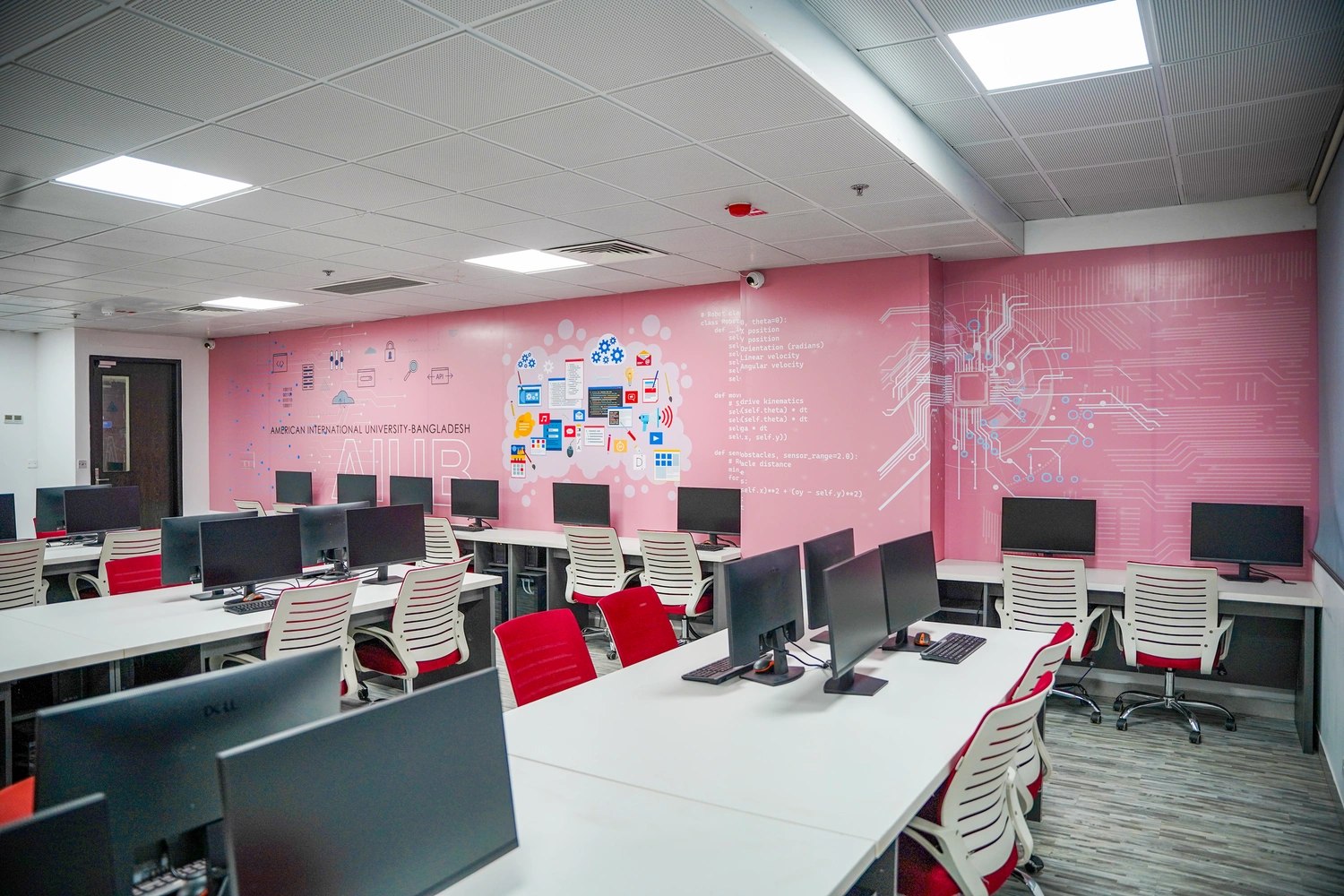
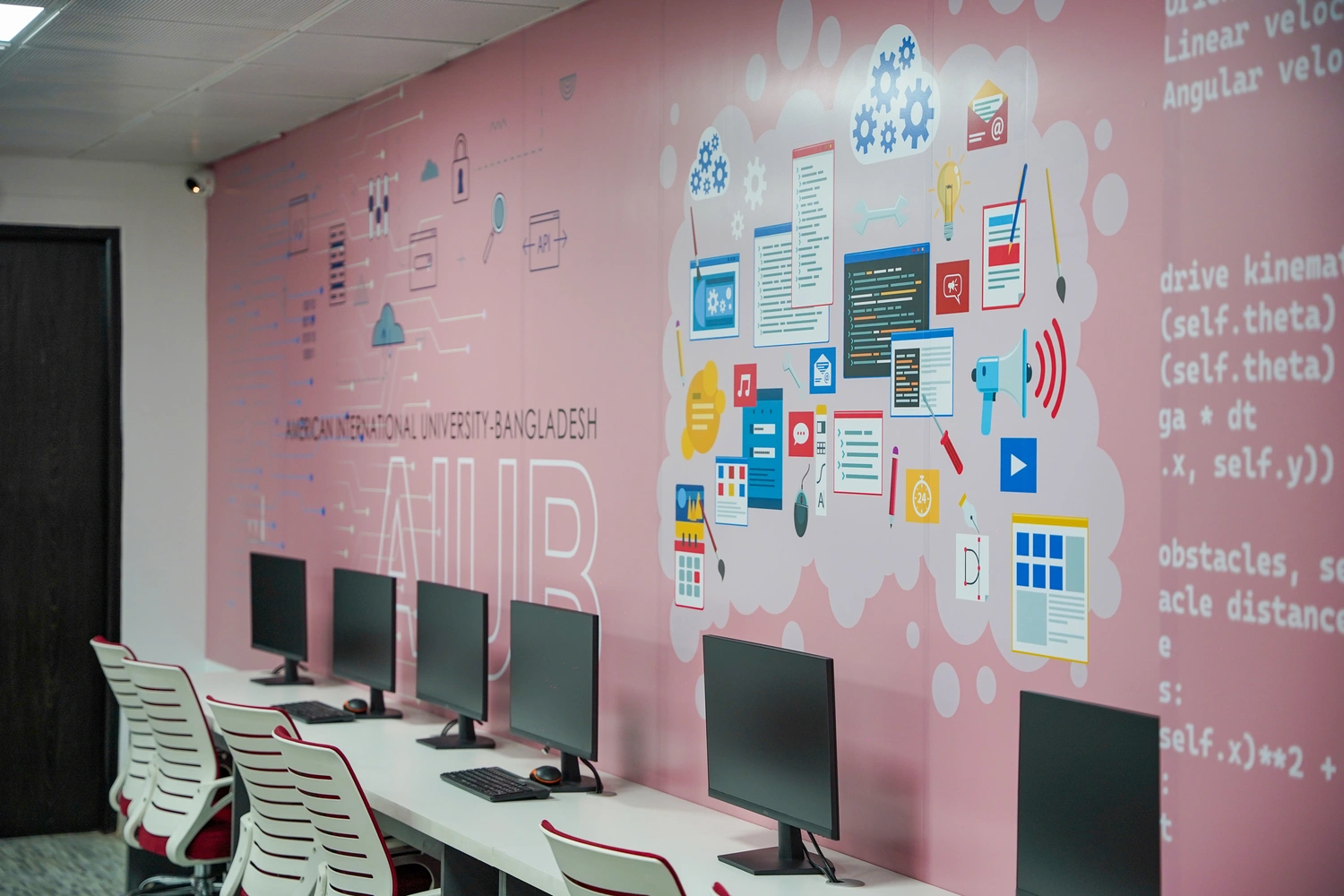
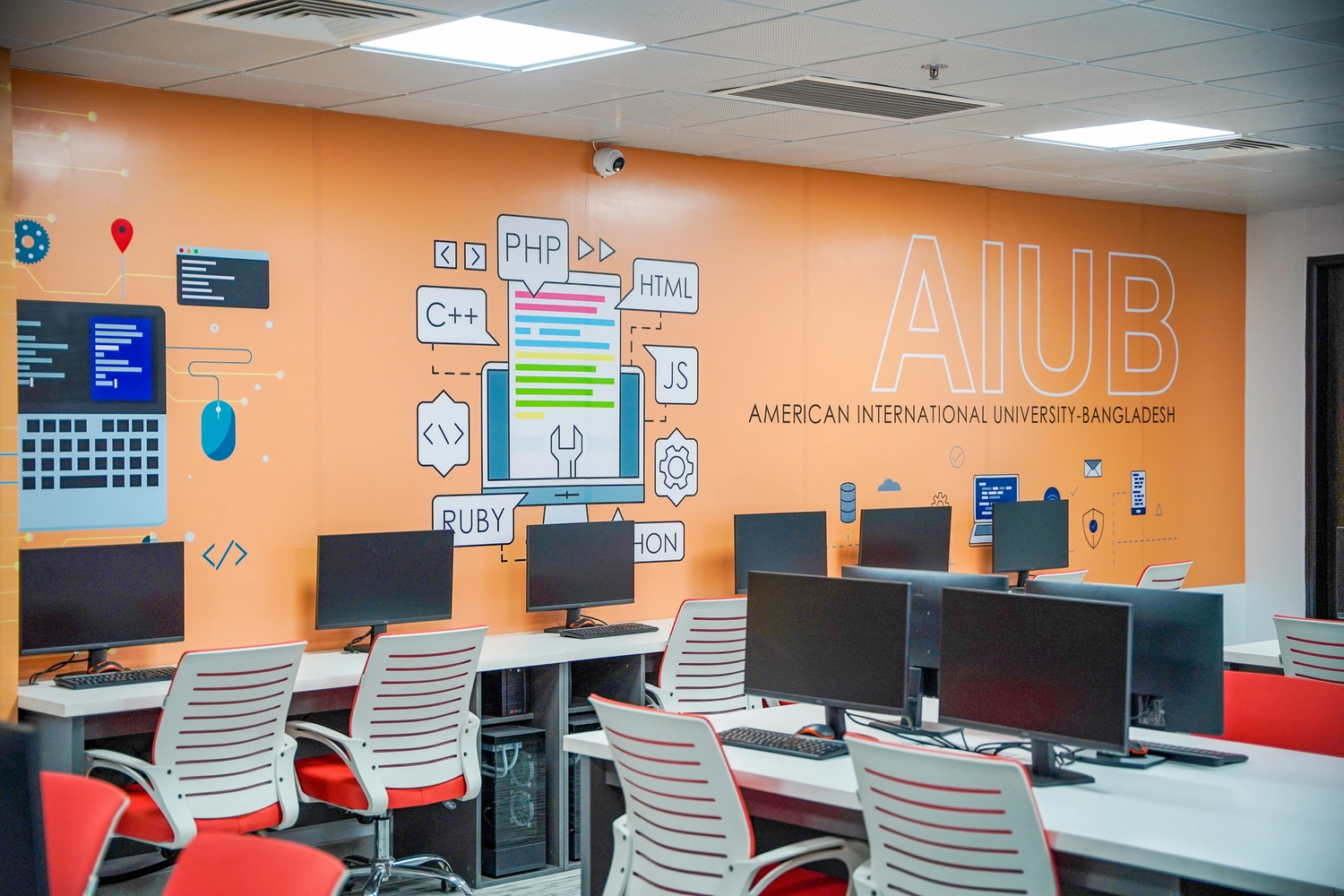
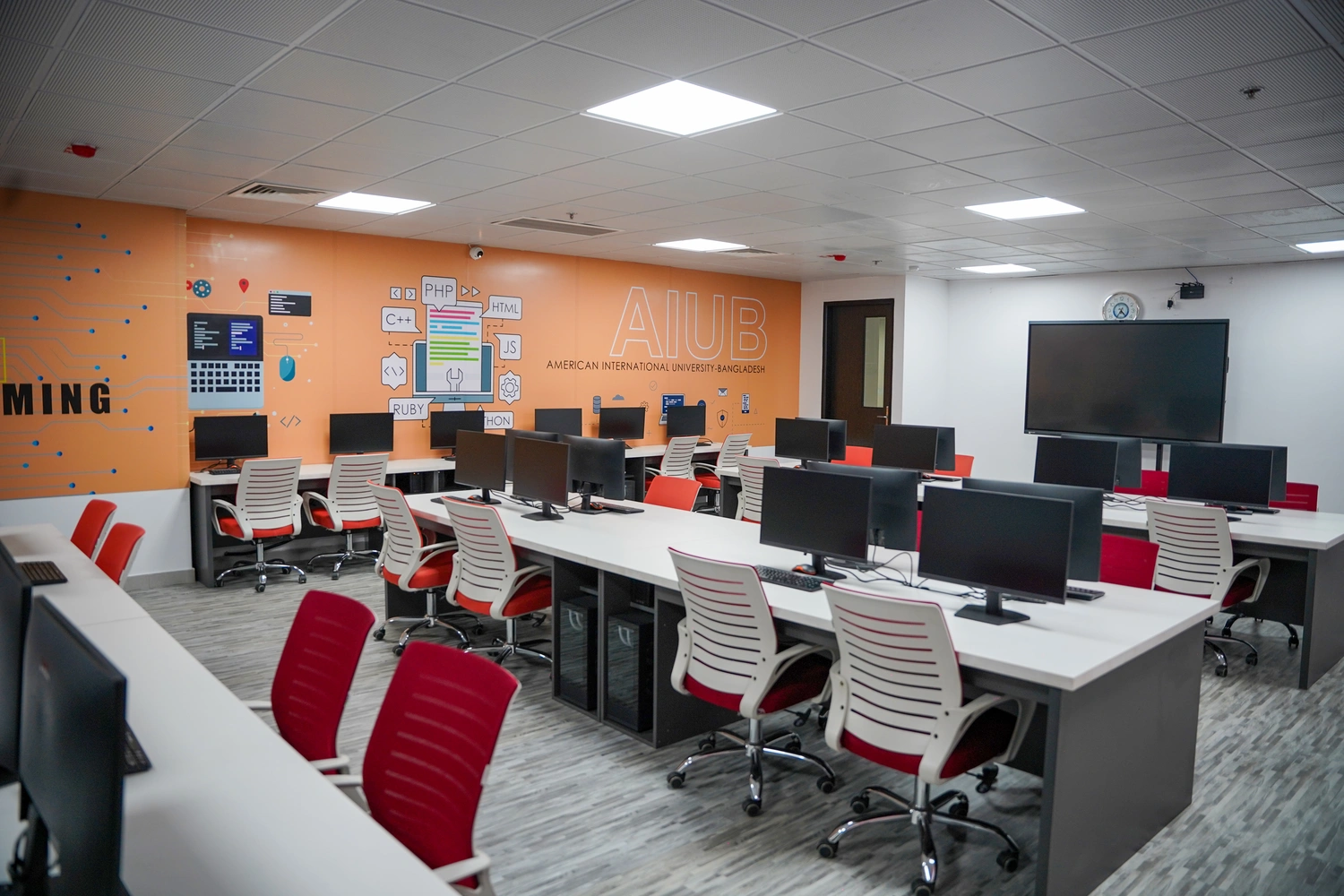
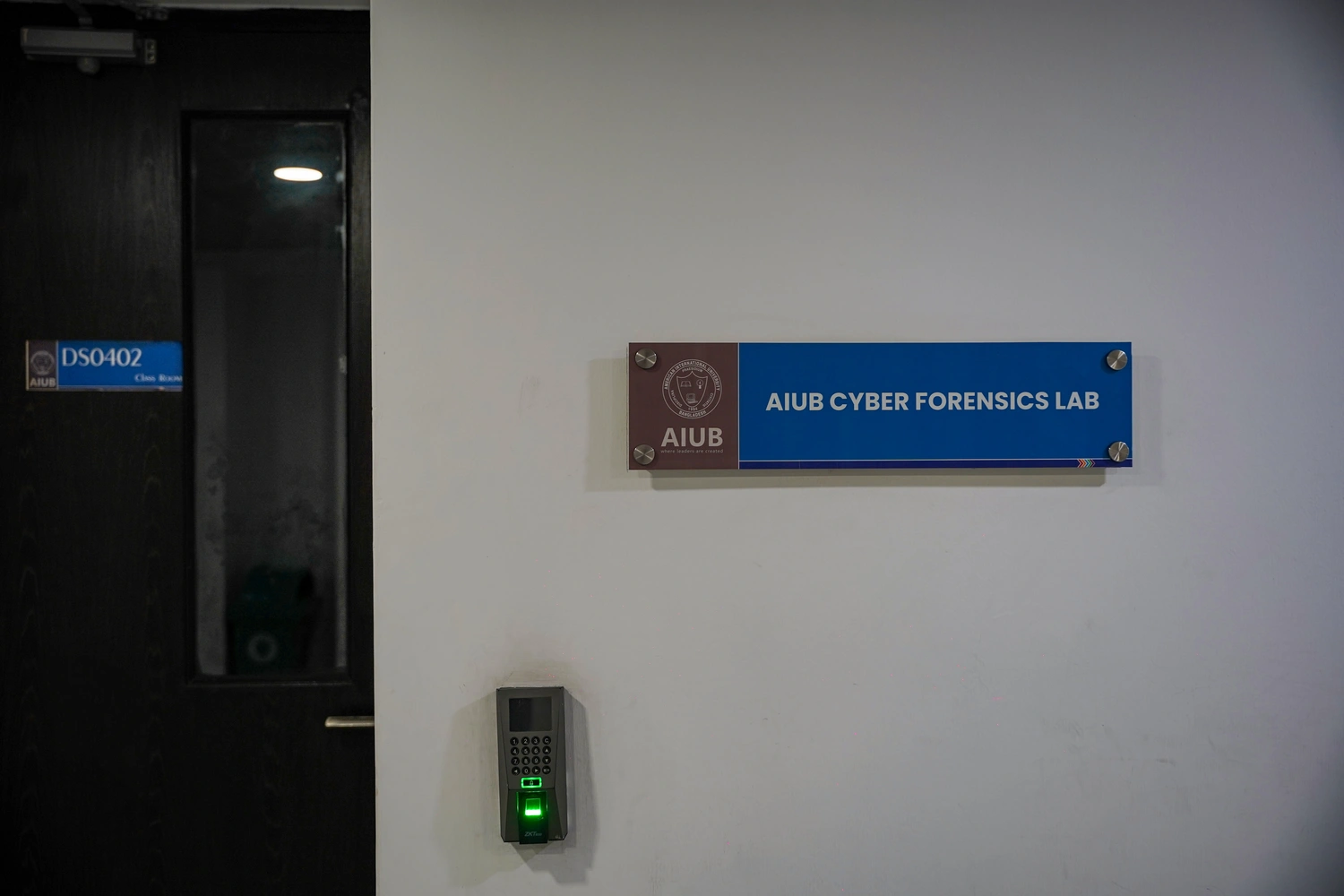
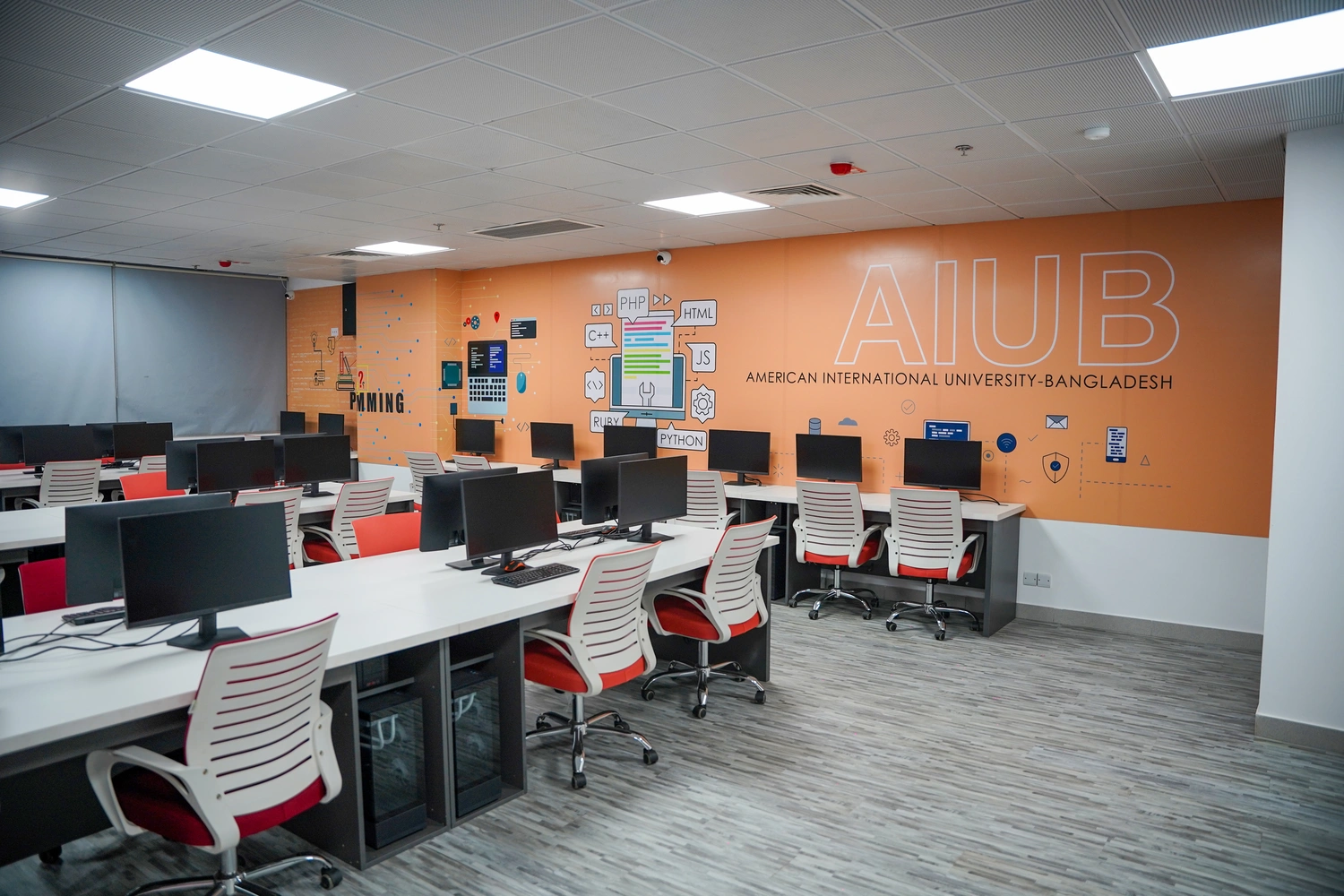
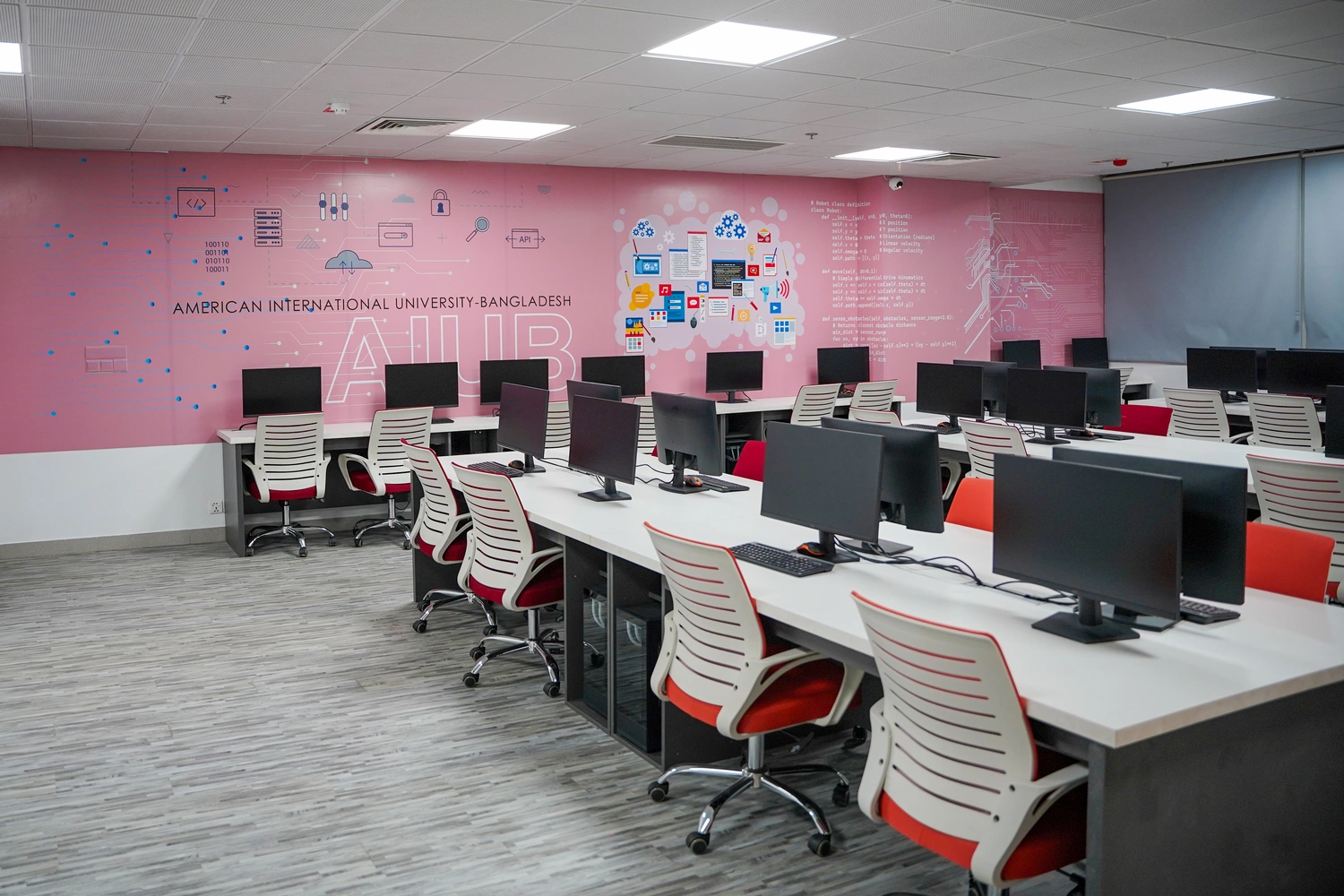
The establishment of Cyber Security and Digital Forensics Laboratory at the American International University-Bangladesh stands for a substantial strategic advancement in strengthening the university’s capabilities in secure computing, cyber defense, and forensic intelligence. In an increasingly digitized world, where cyber threats, data breaches, ransomware attacks, and digital crimes are growing in scale and sophistication, the need for dedicated research, training, and innovation platforms has become more critical than ever. The laboratories are designed to integrate innovative hardware infrastructure with advanced research and training capabilities, enabling a comprehensive ecosystem for cybersecurity education and digital forensic investigation. By combining high-performance computing resources, specialized forensic tools, and artificial intelligence–driven technologies, the labs will support interdisciplinary research across cybersecurity, artificial intelligence, data science, and legal informatics. This integration ensures that students, researchers, and professionals can work on real-world problems in a controlled, secure, and innovative-driven environment. These laboratories aim to bridge the gap between academia, industry, and government agencies. Through collaborative initiatives, they will contribute to developing effective cyber defense mechanisms, enhancing digital investigation methodologies, and supporting national efforts to combat cybercrime and digital fraud. The facility will also serve as a knowledge hub for capacity building, policy support, and technology transfer in the field of cybersecurity. In addition to research and collaboration, the laboratories will play a vital role in academic excellence and human resource development. Students and professionals will gain hands-on experience with modern cybersecurity tools and forensic techniques, preparing them for careers as cybersecurity analysts, digital forensic investigators, and AI security specialists. This practical exposure, combined with strong theoretical foundations, will ensure that graduates are equipped to meet the demands of the rapidly evolving global digital economy.
The main objectives of the laboratory are to:
- set up a state-of-the-art ultramodern platform for cyber threat analysis and digital investigation.
- develop advanced knowledge and practical skills in cybersecurity and digital forensics.
- support national and international efforts to combat cybercrime and digital fraud.
- facilitate interdisciplinary research integrating cybersecurity, artificial intelligence, and data science.
- provide hands-on training in ethical hacking, penetration testing, and forensic investigation.
- promote secure computing practices and awareness among students and professionals.
- collaborate with local and international agencies (such as law enforcement and defense organizations) and industry partners to develop cybersecurity solutions.
- produce skilled human resources capable of addressing modern cybersecurity challenges.
- participate in global cybersecurity research collaborations.
- contribute to international initiatives in cyber defense and digital forensics.
Research Areas:
The Laboratory focuses on the following fields, but not limited to:
- Digital Forensics (Computer, Mobile, and Network Forensics)
- Cyber Threat Intelligence and Malware Analysis
- Ethical Hacking and Penetration Testing
- Network Security and Intrusion Detection Systems
- Cloud Security and Virtualization Security
- Artificial Intelligence in Cybersecurity
- Blockchain Security and Cryptography
- Cybercrime Investigation and Digital Evidence Management
- Data Privacy, data protection and Information Security Governance
- IoT Security and Embedded System Protection
- Secure Software Development and Vulnerability Assessment
- Cyber Risk Management and Security Compliance
- Adversarial Machine Learning and AI Security
- Cyber Attack Simulation and Defense Strategies
- AI systems development
The strength of the Laboratory
|
Research Tool/Equipment |
Purpose |
|
High-Performance Workstations (Intel Core i9, 64GB RAM, SSD) |
Managing intensive cybersecurity computations and forensic analysis |
|
NVIDIA GeForce GPU (16GB) |
Support AI-based security analysis and parallel processing |
|
Digital Forensics Tools (e.g., forensic imaging & analysis software) |
Acquisition, preservation, and analysis of digital evidence |
|
Malware Analysis Sandbox Environment |
Safe execution and analysis of malicious software |
|
Penetration Testing Platforms (e.g., Kali Linux setups) |
Conduct vulnerability assessments and ethical hacking practices |
|
Network Simulation Tools |
Cyber-attack simulation and defensive strategy testing |
|
AI Model Validation Frameworks |
Detect adversarial attacks and ensure AI model integrity |
|
Secure Storage Systems |
Safe storage and management of sensitive forensic data |
|
Incident Response Lab Setup |
Real-time cyber incident handling and investigation training |
|
Virtualization & Cloud Platforms |
Research in cloud security and virtual environments |
|
Cyber Range Environment |
Hands-on training for simulated cyber warfare scenarios |
|
Data Recovery Tools |
Retrieval and reconstruction of lost or deleted data |
|
Log Analysis and SIEM Tools |
Monitoring and analyzing security events and threats |
Infrastructure Strength of the Laboratory
The Cyber Forensics Laboratory is equipped with high-performance computing resources tailored for intensive cybersecurity operations, forensic analysis, and AI-driven validation processes.
Core Infrastructure:
- 40 High-Performance Workstations Designed to manage complex computational workloads in cybersecurity and forensic investigations.
- Advanced Processing Capability
- Intel Core i9 processors
- 64 GB DDR5 RAM per system
- 6 TB high-speed SSD storage
- GPU Acceleration
- 16 GB NVIDIA GeForce GPUs for parallel processing and AI-driven analysis
Functional Capabilities
The laboratory supports a wide range of advanced applications, including:
- Digital Forensics: Acquisition, preservation, analysis, and reporting of digital evidence from multiple sources such as computers, mobile devices, and networks.
- Malware Analysis and Threat Intelligence: Static and dynamic analysis of malicious software, reverse engineering, and cyber threat profiling.
- Cybersecurity Research and Simulation: Vulnerability assessment, penetration testing environments, and cyber-attack simulation for defensive strategy development.
- AI-Based Model Integrity Validation: Verification of AI models to detect adversarial attacks, data poisoning, and model tampering, ensuring trustworthy AI deployment.
Strategic Impact
National Cybersecurity Capacity Building
The Laboratory significantly contributes to strengthening Bangladesh’s national cybersecurity ecosystem. These laboratory
- Support national efforts in combating cybercrime, digital fraud, and cyber terrorism
- Provide technical expertise for law enforcement and regulatory bodies
- Enable secure handling and analysis of sensitive digital evidence
- Contribute to national initiatives aligned with Digital Bangladesh
By developing indigenous capabilities, AIUB reduces reliance on external expertise and enhances national digital resilience.
Advancement of Digital Forensics and Legal Support
The laboratory plays a vital role in bridging the gap between technology and the legal system:
- Enables forensically sound investigation methodologies
- Supports evidence validation for legal proceedings
- Contributes to policy development in digital evidence standards and cyber law
- Facilitate collaboration with judicial and investigative authorities
This strengthens the overall digital justice framework in Bangladesh.
Academic Excellence and Skilled Workforce Development
The laboratory serves as a training ground for future cybersecurity professionals and researchers with a range of facilities like:
- Hands-on training in ethical hacking, penetration testing, and forensic investigation
- Exposure to real-world cyber incident response scenarios
- Skill development in AI-driven cybersecurity and secure system design
- Opportunities for interdisciplinary research combining AI and cybersecurity
Graduates will appear as:
- Cybersecurity analysts and engineers
- Digital forensic investigators
- Threat intelligence specialists
- AI security researchers
These professions are essential for both national security and the global digital economy.
Industry and Government Collaboration
The Cyber Security and Digital Forensics Laboratory create strong collaboration opportunities such as:
- Partnerships with government agencies for cyber defense initiatives
- Collaboration with industry stakeholders on security solutions and threat mitigation
- Support for cybersecurity startups and innovation ecosystems
- Technology transfer and consultancy services
This strengthens AIUB’s role as a key contributor to national digital infrastructure and policy implementation.
Responsible AI and Secure Technology Development
The integration of cybersecurity with AI research ensures a comprehensive approach to secure and ethical technology such as:
- Detection of AI vulnerabilities and adversarial threats
- Validation of data integrity and model robustness
- Development of secure AI deployment frameworks
- Promotion of trustworthy and explainable AI systems
This aligns AIUB with global best practices advocated by organizations such as IEEE and UNESCO.
The Cyber Security and Digital Forensics Laboratory stand for a strategic institutional investment with far-reaching impact. By combining advanced infrastructure with strong academic, research, and collaboration frameworks, AIUB is well positioned to:
- Become a national center of excellence in cybersecurity and digital forensics
- Enhance its global research standing and academic reputation
- Support national security and digital governance initiatives
- Contribute to the development of a secure and resilient digital ecosystem in Bangladesh
Through sustainable planning, ethical governance, and continuous innovation, this initiative will help shape the future of cybersecurity and digital trust nationally and internationally.