
Published Date
February
2026
Wednesday
AIUB Delegate Highlights Green Growth Challenges at Global AIFOD Summit in Bangkok [DAY 3]
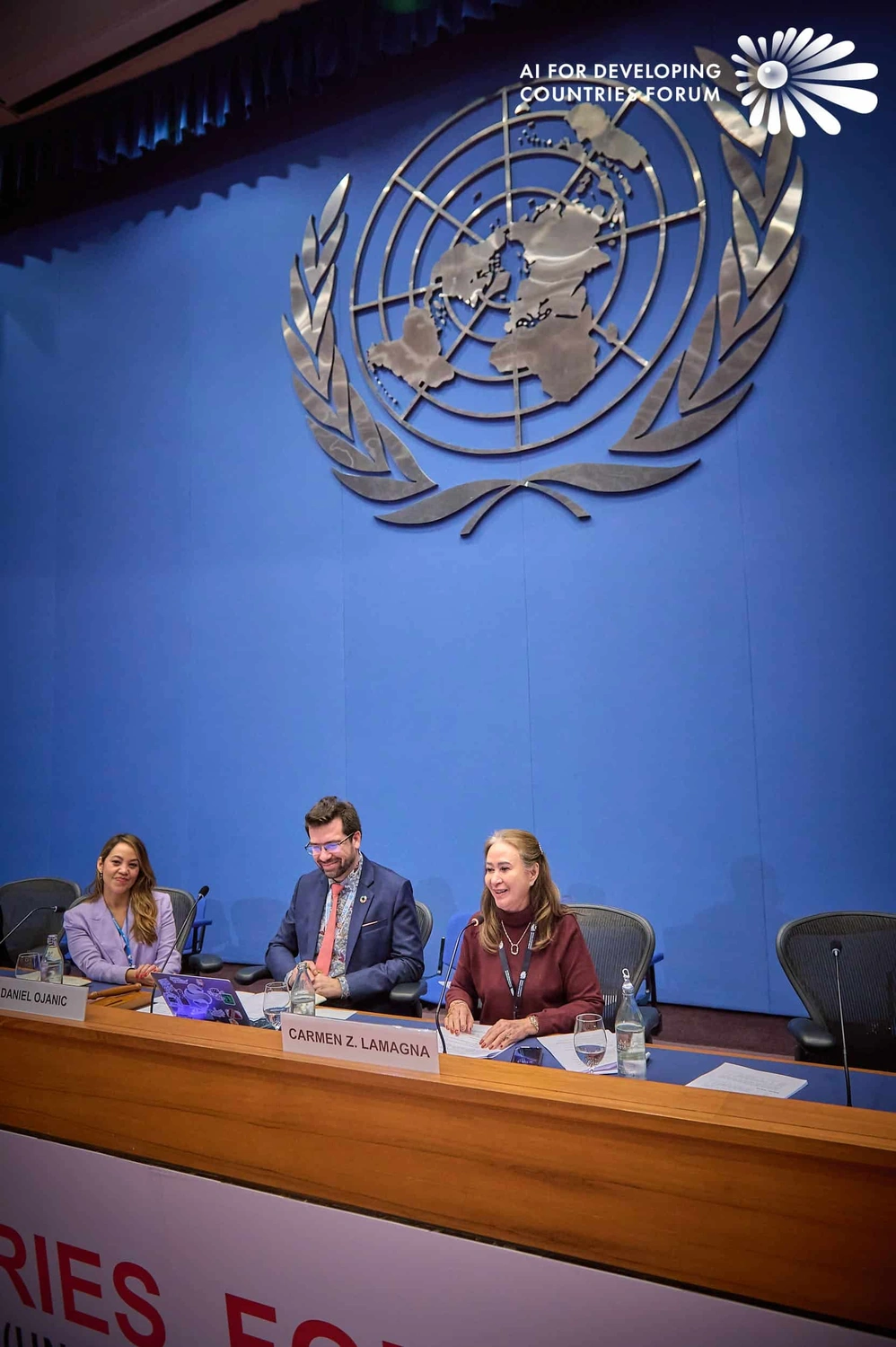
![AIUB Delegate Highlights Green Growth Challenges at Global AIFOD Summit in Bangkok [DAY 3]](/Files/Uploads/original/aifodaiiub202601.jpg)
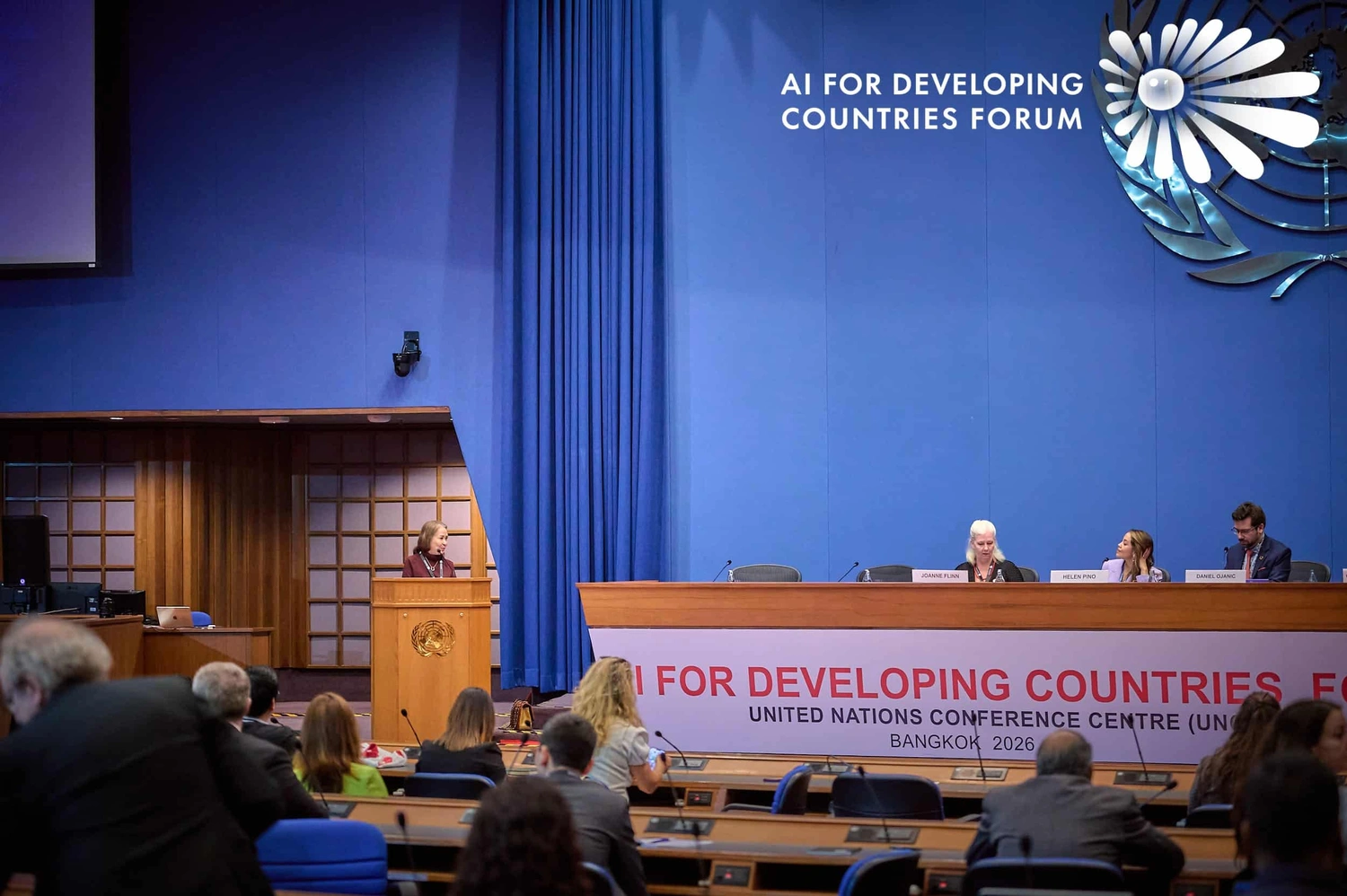
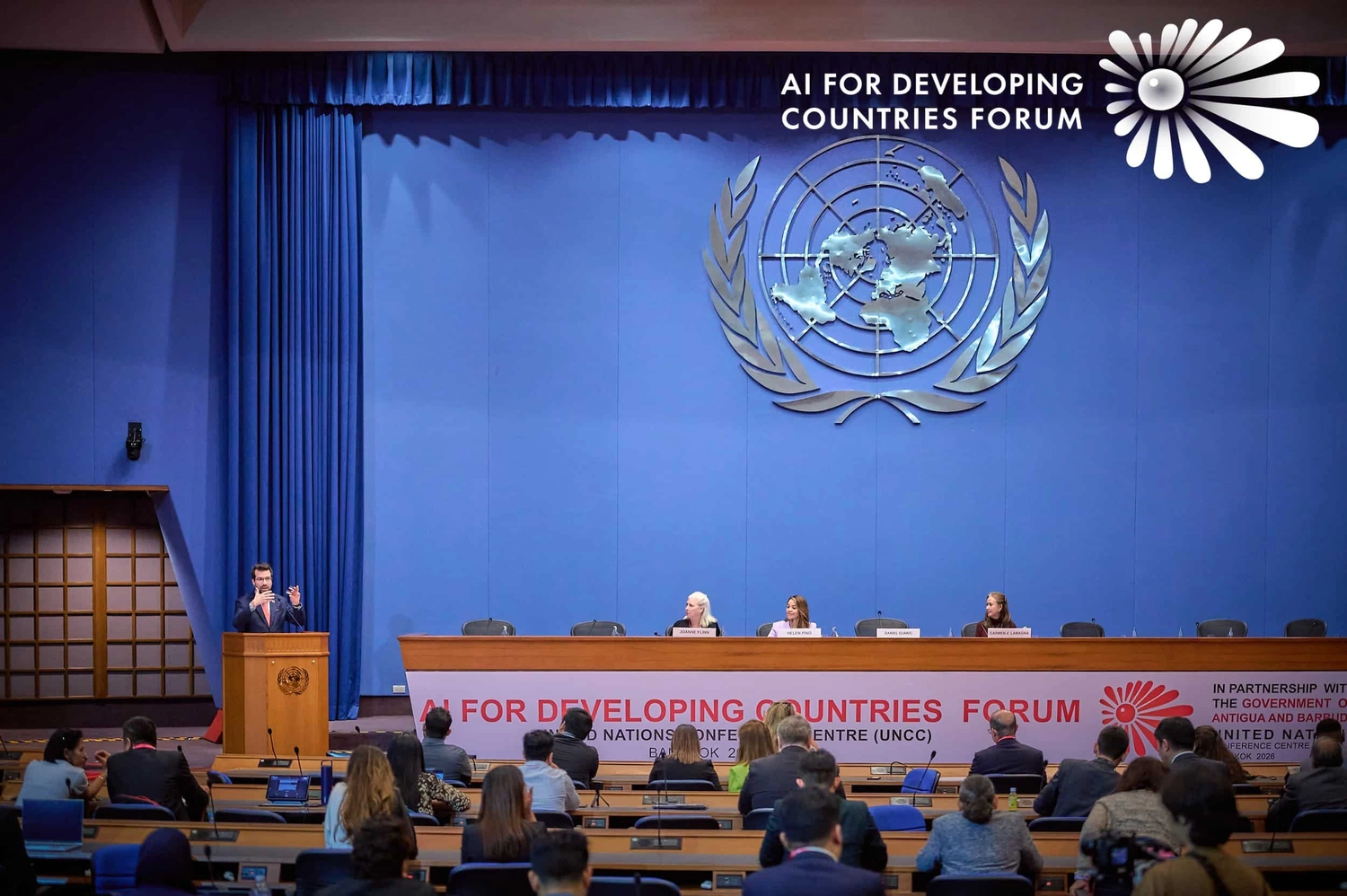
As Artificial Intelligence accelerates across the world, a central question is emerging for developing nations: will AI become a driver of sustainable growth, or an added environmental burden? The third day of the AI for Developing Countries Forum (AIFOD) Summit 2026 which took place at the United Nations Conference Centre (UNCC) in Bangkok Thailand started its discussions with this specific question.
The American International University-Bangladesh (AIUB) participated in this global forum through Dr. Carmen Z. Lamagna, Board Member and Former Vice Chancellor of AIUB, and Professor Dr. Dip Nandi, Associate Dean of the Faculty of Science and Technology, AIUB. The summit assembled worldwide decision makers together with academic experts and technology innovators to explore methods for integrating artificial intelligence with United Nations Sustainable Development Goals while addressing the specific needs of developing nations.
Day 3 Highlights: AI, Energy, and the Limits of Green Growth
A key highlight of Day 3 was the session titled “Can AI Power Green Growth in Developing Economies?”, which confronted the environmental paradox facing the Global South: the urgent need for economic development versus the physical cost of AI infrastructure.
The session demonstrated the fact that humans mistakenly believe AI functions as a digital solution but in reality, it requires physical resources because the data centers consume energy, the cooling systems need water and the hardware requires materials. The panelists warned that organizations need to develop proper strategies because AI adoption would create environmental challenges that disproportionately affect developing nations which lack resources for handling such problems.
Dr. Carmen’s Perspective: Local Solutions for Real Sustainability
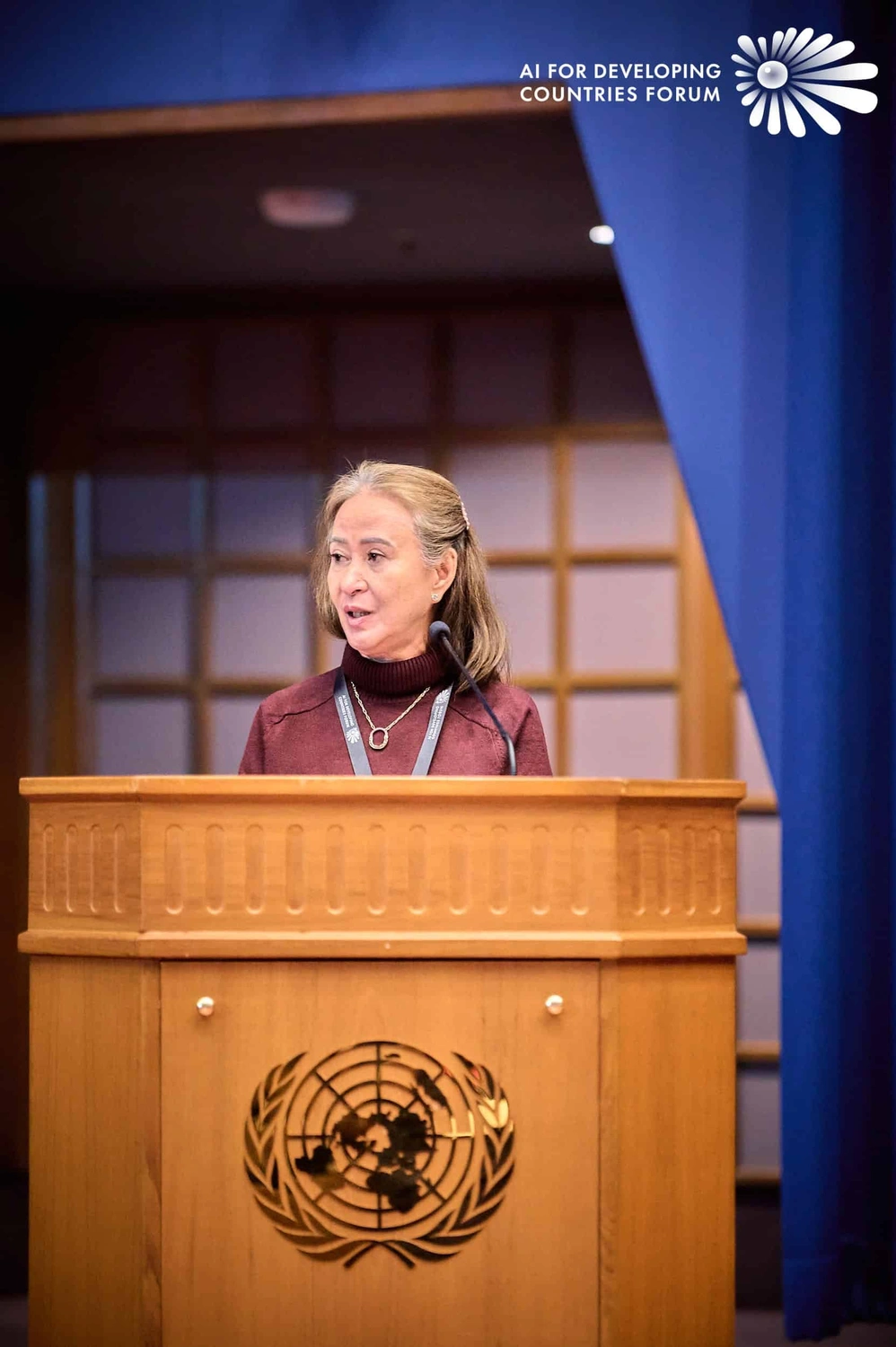
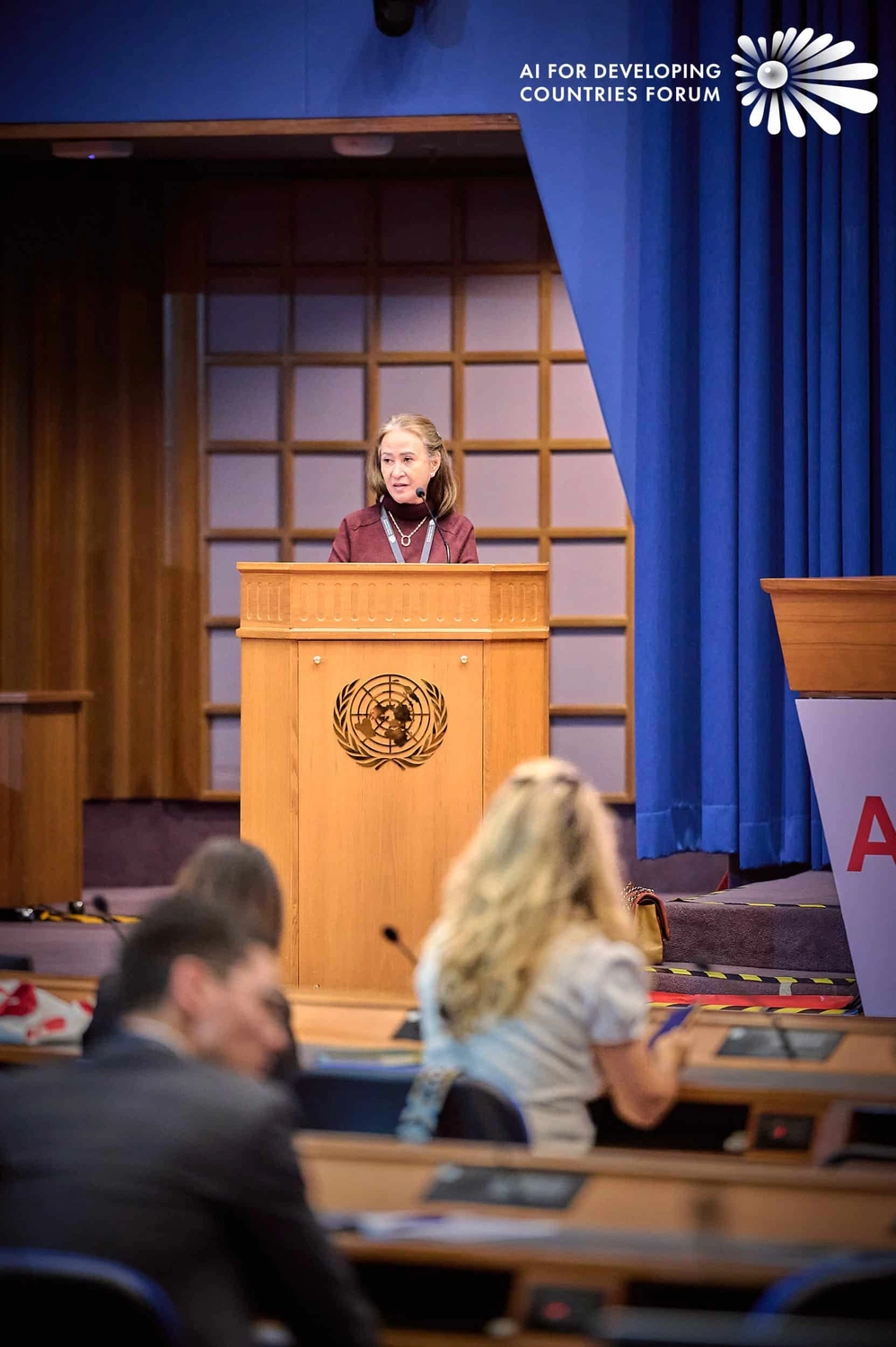
Speaking from practical experience in Bangladesh, Dr. Carmen Z. Lamagna shared how AI can support sustainability when it is built around local conditions rather than imported as a ready-made solution. She shared a practical example from a university campus which serves approximately 15000 students as the campus uses AI technology to predict both short-term energy needs and solar energy production.
The system uses artificial intelligence to control electricity consumption from solar panels and grid power while managing power distribution throughout all classroom spaces instead of depending only on the national grid system. This approach demonstrates how artificial intelligence operates as a management solution for renewable energy resources instead of being used as an experimental technology solution.
However, Dr. Carmen also identified a critical bottleneck: the physical environment in which AI systems operate. In hot, humid, and dusty conditions, keeping sensor data accurate becomes a major challenge. The intelligence produced by AI systems requires regular physical upkeep of Internet of Things devices because high-pollution environments make maintenance essential for operational performance.
Her intervention strengthened the main message of the session which stated that sustainable AI requires more than algorithms and software to function as it needs infrastructure together with maintenance systems and actual environmental conditions.
AI as a Tool, not a Cure-All
The panel discussion emphasized that artificial intelligence functions as a practical instrument which people should employ rather than viewing it as an extraordinary technological breakthrough. The panelists alerted that uncontrolled AI development would increase environmental damage because companies would disregard ecological expenses to achieve fast technological progress. The session concluded that for AI to contribute meaningfully to green growth in developing economies, it must be embedded within systems that prioritize human well-being and environmental survival over purely digital ambition.
Dr. Carmen Z. Lamagna used her critical dialogue work to demonstrate how AIUB connects technological innovation with sustainable development and real-world limitations. AIUB’s participation in the AIFOD Summit reaffirmed its commitment in ensuring that artificial intelligence serves not only economic progress, but also environmental responsibility in Bangladesh and the wider Global South.

.webp)